
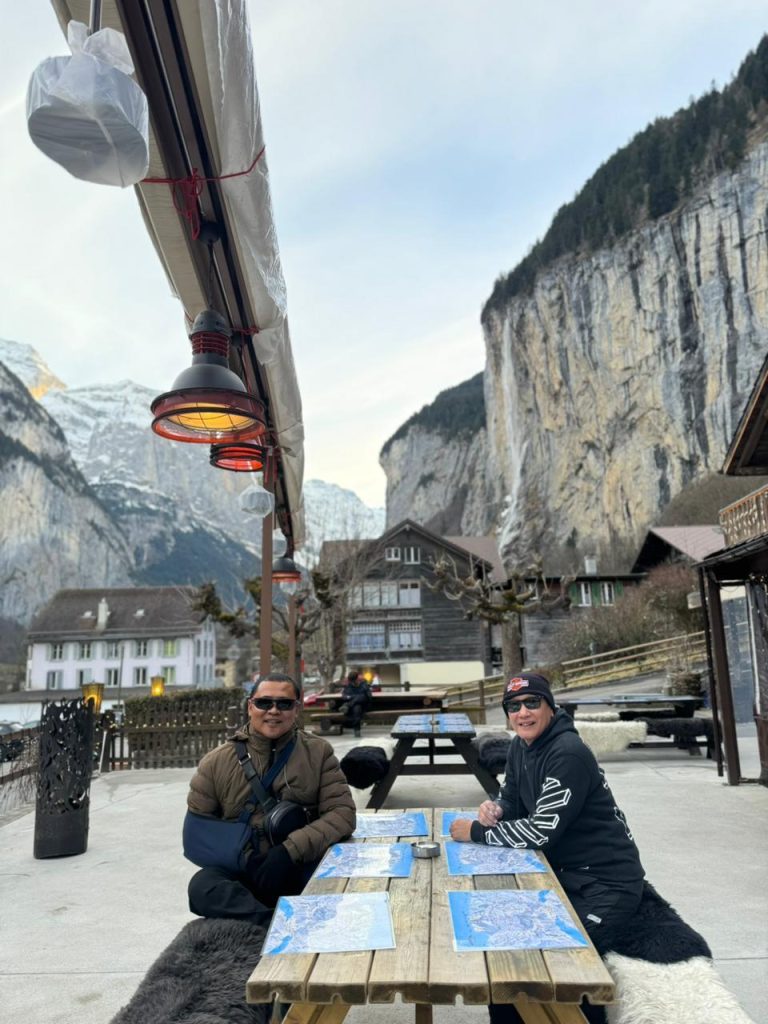
A journey that works perfectly in one climate may not work the same way in another. Snow turns an accessible path slippery. Heavy rain changes the ground beneath a wheelchair. Tropical heat makes a long outdoor transfer far more demanding. Cold weather adds layers of clothing, gloves and equipment that can make movement and communication more difficult. Research on disability and transportation has identified adverse weather (including snow, ice, rain and wind) as a real barrier to mobility and access (Lee & Koontz, 2023).
For travelers with special needs, these changes cannot always be solved by simply packing a warmer coat or carrying an umbrella. Some disabilities can affect temperature regulation, while limited mobility can make it harder to move quickly from uncomfortable weather into a sheltered environment. Research has found particular vulnerability to environmental temperature among some people with neurological and mobility-related disabilities (Schmidt, 2023). This means that a specialty guide has to read more than the itinerary.
This becomes especially important when journeys move between very different environments: from tropical Indonesia to a European winter, from a warm vehicle into snow, from sea level into the mountains, or from an air-conditioned hotel into intense tropical heat. The same traveler may need completely different support in each place. Good assistance therefore cannot be copied from one destination to another. The climate changes. The environment changes. And the way we support each traveler must change with them.
References
Lee, C. D., & Koontz, A. M. (2023). Understanding travel considerations and barriers for people with disabilities to using current modes of transportation through journey mapping. Transportation Research Record, 2678(5), 271–287. https://doi.org/10.1177/03611981231188730
Schmidt, S. (2023). Preparing for extreme heat: Are cooling outdoor spaces accessible by people with disabilities? Environmental Health Perspectives, 131(7), 074002. https://doi.org/10.1289/EHP13373
The evidence supports the central point particularly well: weather is not merely a comfort issue in accessible travel; research identifies adverse weather as a mobility barrier, while some disabilities can also increase vulnerability to environmental temperature.